Light the Road the Right Way

Tonight, we dive into legal lighting and visibility upgrades for safer night and all‑weather driving, translating regulations into practical choices that help you see farther without blinding others. Expect clear guidance, real examples, and confidence‑building steps you can apply now. From approved bulbs to correct aiming, you will learn how to enhance clarity in rain, fog, and snow while staying compliant, protected, and considerate. Share your region and setup in the comments so we can refine advice for your roads.

Know the Rules Before You Upgrade

Great visibility begins with understanding the rules that keep everyone safe. Standards define color, brightness, and beam shape so drivers can predict how lights behave in traffic and bad weather. We translate complex documents into plain language, show how to find your local requirements, and explain markings that verify compliance. You will learn how inspectors check equipment, what labels mean, and how to choose improvements that pass scrutiny. Ask questions, compare notes, and help us map regional differences together.

Beams, Patterns, and the Science of Seeing

Clarity comes from well‑shaped light, not just raw lumens. The right beam pattern reveals lane lines and hazards without spraying glare into rearview mirrors. We explain cutoff geometry, foreground balance, and how lux on target matters more than inflated marketing claims. You will follow a simple wall‑aiming routine, learn distance checks, and test visibility in rain and fog. Add your before‑and‑after observations to help build a community reference that keeps improving night safety.

Cutoff Lines and Glare Control

A crisp cutoff preserves dark space above the beam so oncoming drivers can see hazards, signs, and your signals. We illustrate how sharp, step‑shaped European patterns differ from typical North American optics and why correct mounting height matters. Practical photos show clean transitions versus fuzzy hotspots that cause fatigue. You will learn to assess glare from the driver’s seat and across a parking lot. Bring your phone shots; our readers love analyzing real‑world beam images together.

Aiming That Actually Works

Perfect aim is the cheapest performance upgrade. Using the level‑ground, wall‑at‑25‑feet method, we mark reference tape, measure drop relative to lens height, and align horizontally to match centerlines precisely. Then we verify on a dark road to fine‑tune lateral spread. We show how load, tire pressure, and cargo alter aim and why periodic checks matter. After adjusting, many readers report fewer flashes from oncoming traffic and calmer night drives. Share your settings and results for comparison.

Halogen Done Right
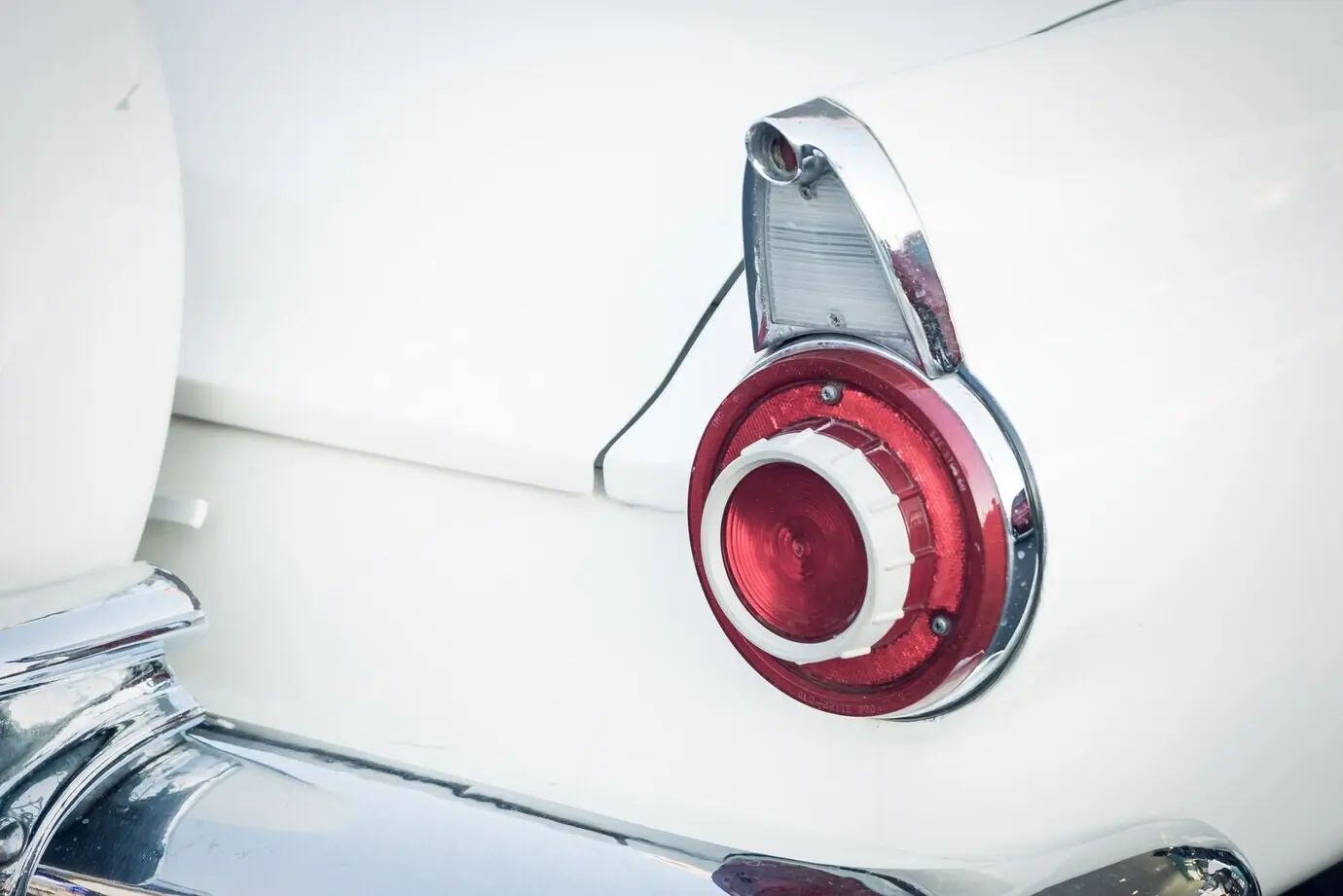
Modern halogen bulbs remain a dependable choice when paired with good reflectors or projectors. Stick to approved wattage, watch for authentic markings, and avoid tinted glass that reduces usable output. We discuss legitimate performance lines, voltage sensitivity, and why careful handling extends life. Some popular socket swaps raise intensity but can break compliance or overheat wiring; we explain safe alternatives. Post your part numbers and photos of the base so the community can verify compatibility before you buy.

HID Without Headaches

High‑intensity discharge systems work best in dedicated projectors shaped for that arc source. Retrofits into halogen housings often fail both beam quality and legality, producing scatter and complaints. If your vehicle supports factory‑style components, you will benefit from stable output, excellent reach, and neutral color around 4300–5000K. We cover ballast placement, warm‑up expectations, and regions that require leveling or washers. Learn how to verify authentic parts, avoid mismatched capsules, and document your configuration for inspection visits.

LED Retrofits with Real Certifications

LED replacements can be compliant when tested and approved specifically for your housing type. Look for explicit DOT or ECE compatibility claims backed by third‑party reports, proper thermal sinks, and electromagnetic compatibility statements. We outline beam validation techniques, dimming behavior with DRL circuits, and why color closer to neutral white maintains contrast in wet conditions. Skip exaggerations; trust measured lux and pattern photos. Share brand names that passed your inspections so others can make safer, smarter purchases.

Fog Lights That Actually Help

True fog lights sit low, with a flat cutoff that pushes light under the fog layer rather than back into your eyes. Selective yellow can reduce perceived scatter and increase lane‑edge contrast in rain and mist. We show how to aim them slightly downward and keep intensity moderated. Many areas restrict use to poor visibility conditions; we explain typical thresholds. Share pictures of your setup in drizzle and heavy fog so we can analyze performance together carefully and constructively.

Daytime Running Lights for Being Seen

Daytime running lights improve conspicuity by signaling your presence during overcast, dawn, and shadowed streets. Placement, intensity, and automatic operation matter to stay compliant and effective. We cover guidelines for brightness, color, and distance to turn signals, plus integration with existing harnesses. Proper DRLs should not substitute for headlights in rain; we emphasize switching logic. Show us your wiring diagram or factory configuration, and we will suggest safe, legal ways to enhance your daytime visibility without causing glare or confusion.

Wiring, Power, and Error‑Free Installation

Electrical reliability is safety. Proper relays, fuses, and grounds prevent voltage drop, color shift, flicker, and overheating. We outline clean routing, protective loom, and strain relief that keeps components secure through seasons of vibration and salt. You will learn to calculate current, size wiring correctly, and avoid questionable adapters. We also address CAN‑bus behavior, radio interference, and error messages common with modern vehicles. Share your diagrams, part numbers, and test results so others can replicate success without guesswork or risk.

Harnesses, Relays, and Healthy Voltage

Even the best bulb underperforms with weak voltage. A dedicated harness and quality relay deliver stable power, protect switches, and maintain color consistency on the road. We detail fuse sizing, wire gauge selection, and strategic grounding points that reduce resistance. Before drilling, plan for serviceability and water intrusion control. Measure with a multimeter at idle and with accessories on; log before‑and‑after voltage. Share your readings and routes so the community can spot bottlenecks and celebrate improved brightness safely and legally.

CAN‑Bus, EMC, and Flicker

Modern vehicles monitor bulb circuits and radio frequency noise closely. We demonstrate how load profiles, decoders, and properly shielded drivers prevent dash warnings and flicker without resorting to unsafe resistors that run hot. EMC compliance keeps navigation and FM reception clean. We show mounting strategies that maintain airflow and reduce vibration. If problems persist, we map troubleshooting steps from grounds to connectors. Post your error codes, vehicle model, and parts list so we can crowd‑solve interference and stability together methodically.

Maintenance, Weather Tactics, and Safer Habits

Performance fades without upkeep and good driving choices. Clean lenses, clear glass, fresh wipers, and correct tire pressure all support visibility, especially in stormy nights. We outline headlight restoration that lasts, washer strategies for slush, and demist routines that preserve clarity. You will learn night pacing to avoid overdriving headlights, plus spacing that reduces spray glare. Track your improvements with photos and simple lux tests. Invite questions, swap tips, and help newcomers find calm confidence after sunset and in challenging weather.

Keep Lenses and Glass Crystal Clear

UV‑damaged lenses scatter light and blind you with near‑field haze. We walk through multi‑stage restoration, UV‑resistant coatings, and periodic top‑ups that truly last. Clean the inside of windshields to prevent night halos, and use fresh, season‑appropriate washer fluid. Replace worn wipers before streaks appear. Small details unlock the performance your optics already possess. Post your restoration before‑and‑after pictures and maintenance intervals; your results help others pick products and schedules that preserve beam sharpness through rain and snow reliably.

Night and Storm Driving Strategies

Technique matters as much as hardware. Slow down to match stopping distance within your headlight reach, especially on unlit roads where wildlife is common. Use fog lights only when conditions justify, and dim interior screens to save night vision. Keep mirrors clean, increase following distance in spray, and choose neutral‑white light that preserves sign contrast in rain. After trying these habits, report your comfort and fatigue levels. Together we refine techniques that complement compliant equipment for calmer, safer trips everywhere.

Measure, Test, and Share Results

Objective data makes upgrades meaningful. Mark a test lane, photograph beams at fixed distances, and record lux with a consistent phone app to compare changes. Note weather, tire pressure, and load so results remain valid. Track oncoming flashes before and after aiming adjustments. Build a simple log you can revisit each season. When you share findings, include distances and camera settings so others can replicate your conditions. This community dataset grows into a trusted guide for smarter, legal improvements year‑round.

Xanurivelopthario
Privacy Overview

This website uses cookies so that we can provide you with the best user experience possible. Cookie information is stored in your browser and performs functions such as recognising you when you return to our website and helping our team to understand which sections of the website you find most interesting and useful.