
Refined Upgrades for Everyday Confidence

Step into a practical, tasteful approach with OEM+ Modding Philosophy: Enhancing Daily Drivers Without Violating Regulations. We explore factory-friendly upgrades that look right, feel reliable, and pass inspections without drama. Expect honest advice, real anecdotes, and actionable checklists. Share your region’s rules and experiences in the comments so we can learn together, compare inspection realities, and celebrate cars that feel better every day while staying perfectly legal.

What OEM+ Really Means

Design Harmony

A cohesive OEM+ build respects the manufacturer’s design language, color tones, and material textures. Trim pieces align perfectly, wheels match body contours, and lighting integrates with factory graphics. When friends notice something improved but cannot pinpoint why, you have succeeded. This subtlety protects resale value, reduces unwanted attention, and encourages pride of ownership that ages gracefully over years of faithful, comfortable driving.

Factory Reliability First

OEM+ enhances without overloading systems. Parts from OEM suppliers, or certified equivalents, preserve durability that millions of test miles already validated. Think conservative spring rates, brake pads with temperature headroom, and fluid upgrades that resist fade. You avoid overstressing hubs, bearings, and bushings. The payoff appears as fewer surprises, easier inspections, and enjoyable trips where the car simply feels new, composed, and eager to serve your everyday needs.

Compliance as a Feature

Passing inspections and emissions is not a burden; it is a core product attribute. Choosing parts with E-mark, DOT, TÜV, or CARB Executive Orders converts legality into confidence. Your commute remains stress-free because documents match the hardware. If roadside checks happen, you present clear approvals, installation notes, and calibration records. This transforms anxiety into calm assurance, demonstrating responsibility without sacrificing the pleasure that tasteful, measurable improvements provide on ordinary roads.

Research and Regulations Without the Headache

Rules vary widely between states, provinces, and countries. A smart OEM+ approach begins with reading lighting laws, ride-height limits, noise caps, and emissions protocols. Then you shortlist parts with documented approvals and ask local inspectors what they actually check. Finally, you confirm insurance terms and warranty boundaries. This preparation saves money, prevents failed inspections, and supports polite, well-informed conversations that turn officials, and even skeptical neighbors, into unexpected allies for your carefully refined car.

Reading the Rulebook

Start with official transport or DMV websites, then cross-reference enthusiast forums that cite statutes directly. Create a personal compliance checklist: beam patterns, catalytic converters, wheel protrusion, bumper height, and decibel limits. Print or bookmark applicable sections for quick reference. When vendors claim legality, confirm with documentation. If a claim seems vague, ask for certifications in writing. Your future self will thank you during inspections, roadside stops, or when selling the vehicle with complete transparency.

Insurance and Warranty

Before installing anything, speak with your insurer about declared modifications, approved parts, and potential premium changes. Some carriers appreciate safety-oriented upgrades like better pads or tires. For warranty, review Magnuson–Moss and manufacturer policies, then keep invoices and proof of proper installation torque. If a shop performs the work, obtain a detailed work order. This paper trail can save time, money, and frustration should a claim arise or a system require diagnostic evaluation later.

Performance You Can Use Every Day

OEM+ shines where the road is rough, the weather unpredictable, and schedules unforgiving. Focus on grip, braking consistency, and predictability. Think premium tires, thoughtful alignment settings, pads and fluid that resist fade, and cooling or ducting that does not scream for attention. Small refinements compound: stable steering on highways, shorter stopping distances in rain, calmer behavior with passengers, and a car that still feels fresh after a long day of errands and city traffic.

Tires and Alignment

Tires are the only contact with the road, so prioritize compound, load rating, and wet performance. Align for stability and tire longevity rather than aggressive track specs. Slightly increased negative camber, within manufacturer tolerances, can improve grip without strange wear. Request a before-and-after printout. Rotations on schedule preserve the investment. You will notice quieter ride quality, more precise lane changes, and confidence during emergency maneuvers when life throws a curveball at short notice.

Brakes That Inspire Confidence

Select street-focused pads with consistent cold bite, low dust formulations, and temperature headroom for spirited on-ramps. Pair them with quality rotors and fresh fluid meeting DOT specifications. Stainless lines can improve pedal feel if locally permitted. Bed-in procedures matter, as does periodic inspection for uneven wear. The result is a serene commute with dependable stopping power, particularly in rain or traffic. Safety increases, stress decreases, and your family appreciates measured improvements that speak quietly.

Aesthetics That Stay Under the Radar

{{SECTION_SUBTITLE}}

Lighting That Looks OEM at Night

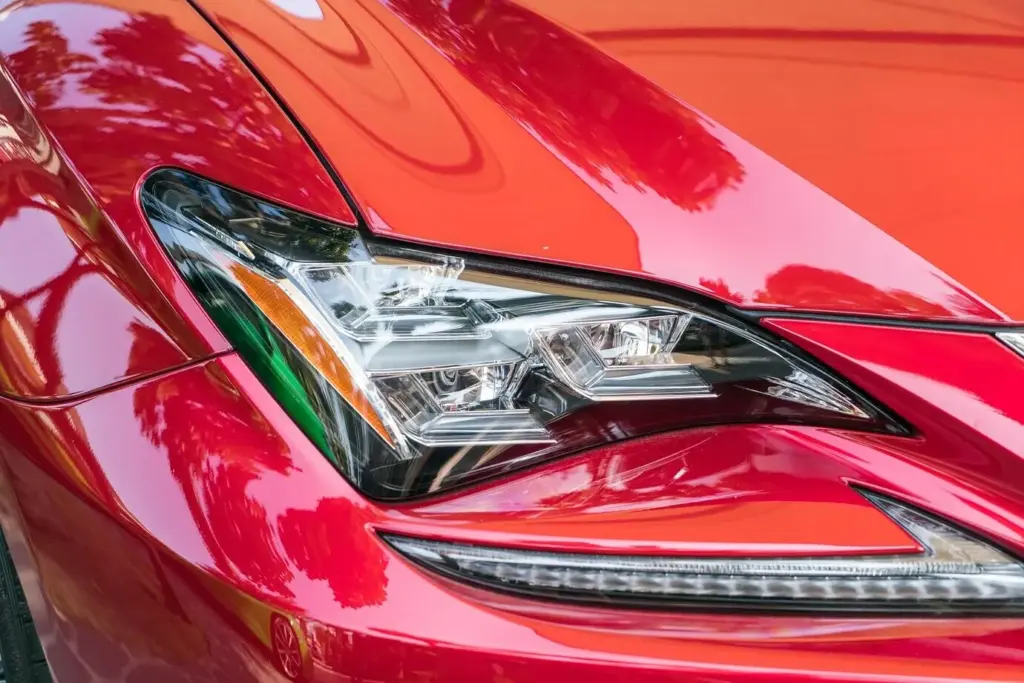
Select housings and bulbs with DOT or E-mark, ensuring beam patterns do not dazzle oncoming traffic. Align headlights to specification and avoid color temperatures that scream aftermarket. Consider quality fog lamps with controlled spread for foul weather. Proper harnesses, seals, and gaskets protect from moisture. The payoff appears nightly: clearer visibility, fewer flashes from annoyed drivers, and inspectors who nod approvingly because documentation, markings, and aim charts match the real-world result exactly as intended.

Wheels, Offset, and Scrub Radius

Pick diameters and widths that maintain proper scrub radius and steering feel. Verify offset keeps tires within fenders where required and preserves bearing life. Lightweight flow-formed options can improve ride and handling without harshness. Test full lock-to-lock clearances and suspension travel. A tasteful finish complements paint, avoiding fragile coatings. With the right fitment, the car turns in cleanly, tracks straight on grooved pavement, and glides through inspections without questions about protrusion or rubbing.

Stories from the Road

Real owners prove that thoughtful choices beat flashy catalogs. Commuters, parents, and weekend explorers share how small, documented changes transformed fatigue into calm enjoyment. Inspections passed, warranties honored, and neighbors impressed by understated excellence. These experiences reveal that OEM+ is not about constraints; it is about smarter priorities. If you have a win or lesson learned, add your story and region below so others can navigate their own rules with less trial and error.

California Commuter

A Bay Area driver installed a CARB-EO intake, conservative ECU calibration, and street-oriented pads. He kept receipts, photos of EO labels, and OBD readiness screenshots. Smog checks were uneventful, and the car felt smoother merging onto 880. Coworkers noticed quieter braking and better rain traction from new tires. Insurance remained stable after disclosed changes. The best part: zero anxiety during checkpoints, because every component had paperwork that matched exactly what was installed under the hood.

Bavarian Mountain Tourer

In Bavaria, a family wagon received TÜV-approved springs, E-mark lighting, and wheels measured meticulously for clearance. The owner brought alignment sheets to the inspection, plus catalog pages with certifications. The examiner appreciated the preparation and signed off quickly. Weekend trips on alpine roads felt composed without sacrificing kid comfort or cargo practicality. Even the neighbor, a strict traditionalist, admitted the wagon looked like a higher trim level. Subtle improvements created real joy, without legal headaches anywhere.

Tokyo Urban Explorer

Facing Shaken standards, a Tokyo driver prioritized factory accessory parts, quiet tires, and meticulous maintenance. He used genuine gaskets, clips, and fasteners, eliminating rattles. LED bulbs were kept stock color with proper housings. The result was whisper-quiet commuting, easy parking ramps, and stress-free inspections. He documented torque specs in a notebook and saved receipts in clear folders. Later, when selling, the buyer praised the organization and paid promptly, trusting a car that felt better than new.

Documentation, Coding, and Reversibility

Paperwork transforms your build from anecdotal to defensible. Keep part numbers, invoices, certifications, alignment reports, and calibration logs. Back up coding and retain original files to reverse changes quickly. Label boxes and store OEM parts. If a warranty claim, sale, or inspection arises, you present evidence, not excuses. This habit preserves value, earns respect, and makes future tweaks easier because you always know exactly what changed, when it changed, and how to change it back.

Service Intervals Matter

Respect manufacturer schedules, then tailor thoughtfully for climate and usage. High heat may warrant earlier fluid changes; cold winters can stress batteries and seals. Keep a maintenance log that includes torque values for suspension work. This habit reduces creaks, improves steering precision, and preserves warranties. When inspections arrive, a tidy history reinforces credibility. Over years, small disciplined steps accumulate, turning a typical commuter into a well-cared-for companion that still feels solid, eager, and reassuring.

Quiet Cabin, Happy Passengers

NVH reveals quality. Choose tires known for low roar, confirm wheel balance, and avoid overly rigid mounts that transmit vibrations. Add subtle sound insulation where legal and safe, focusing on doors and trunk panels. Replace worn clips and weatherstrips. The result is a calm interior that flatters your audio system and eases conversation. Long drives feel shorter. Even skeptical friends will notice they arrive less fatigued, appreciating refinements they cannot name but genuinely feel.

Corrosion and Climate

Coastal air, road salt, and seasonal humidity quietly attack hardware. Use stainless fasteners when appropriate, apply anti-seize thoughtfully, and rinse undercarriages after storms. Wax cavities and treat exposed edges with reputable coatings. During installations, protect paint and avoid chafing points for harnesses. These habits might seem unglamorous, yet they preserve alignment adjustability, braking integrity, and resale value. Years later, bolts still turn, inspectors smile, and future upgrades happen easily because you planned ahead carefully.

Where OEM+ Is Heading Next

Vehicles are rapidly becoming software-defined, rich with sensors and calibration requirements. Tomorrow’s tasteful upgrades will prioritize ADAS compatibility, emissions integrity, and energy efficiency. Expect more manufacturer-backed accessory lines, standardized approvals, and retrofit kits that integrate elegantly with digital dashboards. Sustainability matters too: longer-lasting parts, repairable components, and recycled materials that still look premium. Join the conversation, share your region’s evolving rules, and help us map the path to refined, responsible, continually delightful motoring.
Xanurivelopthario
Privacy Overview

This website uses cookies so that we can provide you with the best user experience possible. Cookie information is stored in your browser and performs functions such as recognising you when you return to our website and helping our team to understand which sections of the website you find most interesting and useful.